The house edge is the mathematical advantage built into a casino game. It helps explain why a casino can make money over a large number of bets, even though individual players can win.
Different casino games have different house edges. Even within the same game, different bets or rules can change the mathematical advantage.
What Does House Edge Mean?
House edge is usually shown as a percentage.
For example, if a game has a 5% house edge, its long-term mathematical expectation gives the casino an advantage of about $5 for every $100 wagered.
This is not a guarantee that the casino will win $5 from every $100. Individual results can be very different because casino outcomes involve randomness.
House edge is mainly useful for understanding what happens over a large number of bets.
European Roulette
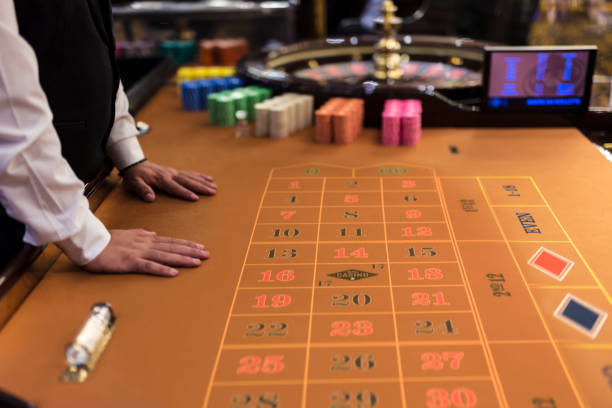
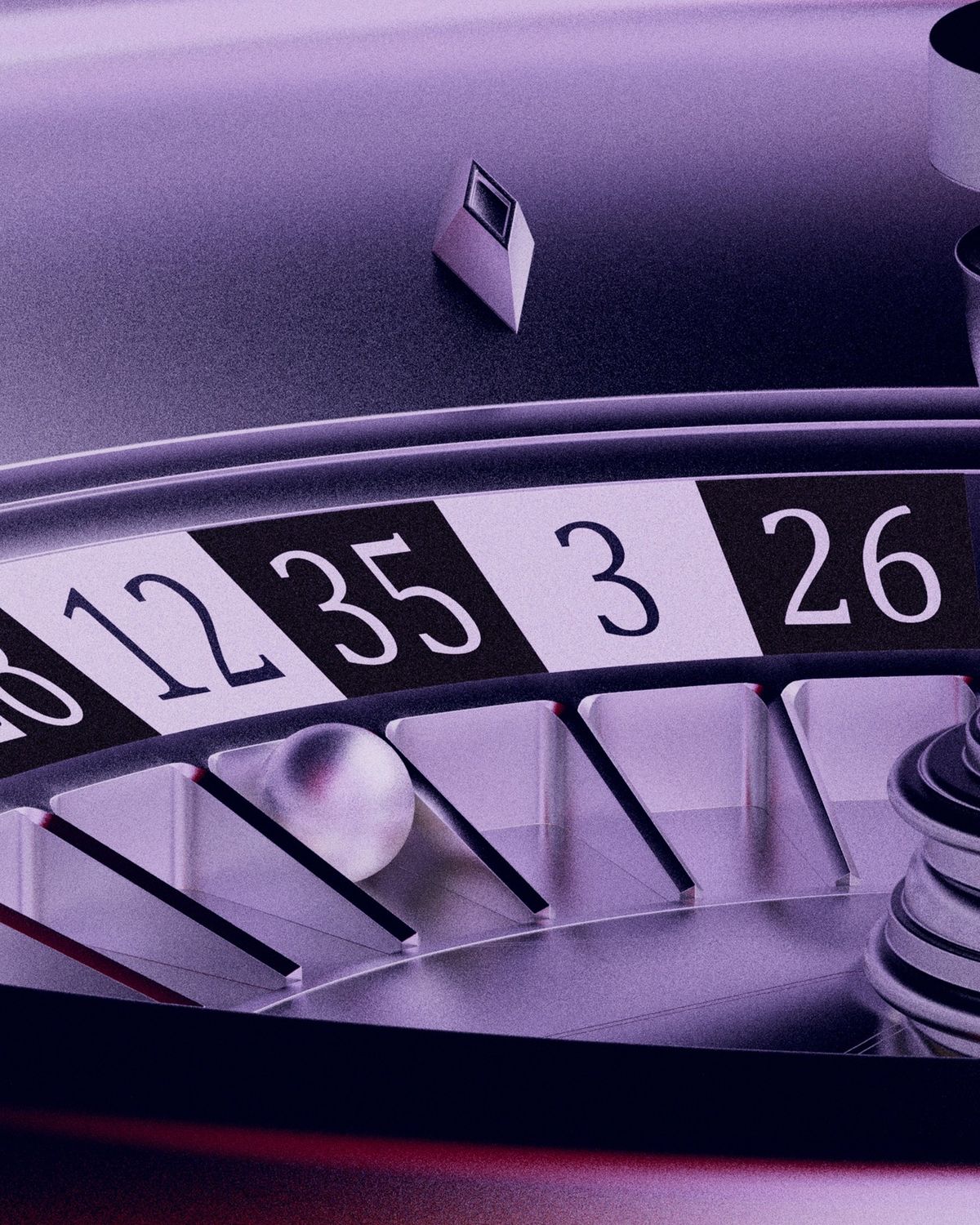
European roulette has 37 pockets, including numbers 1 to 36 and one zero.
A standard straight-up bet on a single number has a house edge of approximately 2.70%.
The calculation comes from the difference between the 1-in-37 probability of winning and the 35-to-1 payout.
American roulette has an additional 00 pocket, increasing the number of possible pockets to 38. Its standard house edge is approximately 5.26%.
This is a simple example of how changing one part of a game’s design can change its mathematics.
Baccarat
Baccarat has several different betting options.
For standard baccarat, commonly cited theoretical house-edge figures are approximately:
- Banker bet: 1.06%
- Player bet: 1.24%
- Tie bet: 14.36%
These figures show why it is important to look at the individual bet, rather than simply asking about the house edge of the entire game.
The Banker bet and Player bet have relatively small differences, while the Tie bet has a much larger mathematical disadvantage.
Blackjack
Blackjack does not have one fixed house-edge number.
Its mathematical advantage can change depending on the rules of the table and how the player plays.
Factors can include:
- Number of decks
- Blackjack payout
- Dealer rules
- Doubling rules
- Splitting rules
- Whether the dealer hits or stands on certain totals
With favorable rules and appropriate basic strategy, the house edge can be relatively low compared with many other casino games.
However, changing the rules or making poor decisions can increase the mathematical disadvantage.
Slot Machines
Slot-machine house edges can vary widely.
Unlike roulette, where the wheel structure makes the basic probability easy to calculate, each slot has its own mathematical design.
The RTP may be influenced by:
- Symbol probabilities
- Payout amounts
- Bonus features
- Wild symbols
- Free spins
- Jackpot mechanics
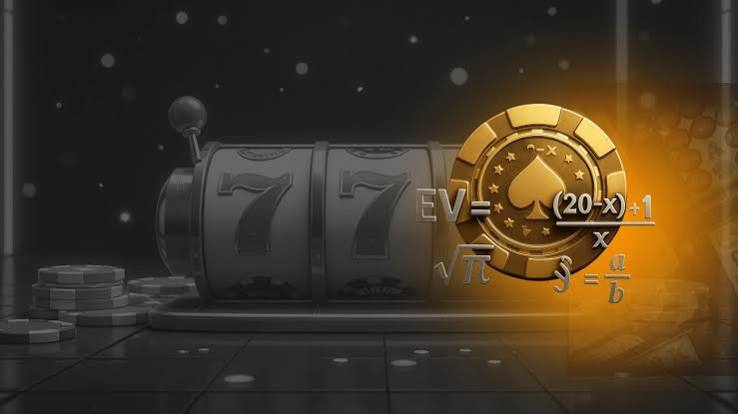
For example, a game with a theoretical RTP of 96% has a corresponding theoretical house edge of about 4%.
But the actual RTP can differ from that figure over shorter periods because of random variation.
Comparing Common Games
A simplified comparison looks like this:
| Game or Bet | Approximate House Edge |
| Baccarat Banker | 1.06% |
| Baccarat Player | 1.24% |
| European Roulette | 2.70% |
| American Roulette | 5.26% |
| Blackjack | Varies by rules and strategy |
| Slots | Varies by game |
The figures for baccarat and roulette are commonly published mathematical calculations; blackjack and slots require more context because their house edge can vary.
Why Lower Does Not Mean Guaranteed to Win
A lower house edge does not mean a player is guaranteed to win.
For example, a game with a 1% house edge can still produce a large loss during a short session. Likewise, a game with a 5% house edge can produce a significant win for an individual player.
House edge describes the long-term mathematical relationship, not the result of a single session.
House Edge and RTP
House edge and RTP are two ways of describing the same basic mathematical relationship.
A simplified formula is:
House Edge = 100% − RTP
So:
- 99% RTP = 1% house edge
- 97% RTP = 3% house edge
- 95% RTP = 5% house edge
The higher the theoretical RTP, the lower the corresponding house edge.
Why Comparing Games Is Useful
Comparing house-edge figures helps explain how different casino games are designed mathematically.
It also shows why the specific rules and bets matter. Two roulette versions can have different house edges, and two blackjack tables can produce different mathematical expectations.
The house edge is therefore best viewed as one part of casino mathematics. It describes the long-term advantage built into the game, while probability, RTP, volatility and individual game rules explain how that advantage is produced.